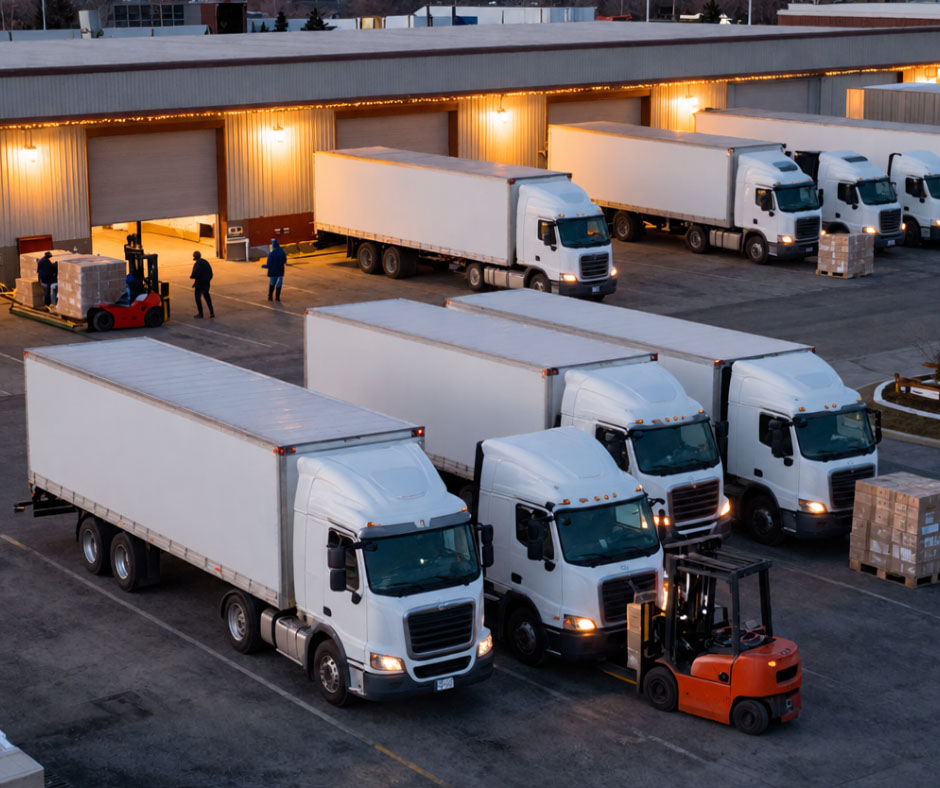
As November unfolds, the commercial trucking industry enters one of its busiest and most demanding periods of the year. Driven by early holiday retail demand, Black Friday logistics, and pre-winter inventory shifts, freight volumes surge across interstate routes and local delivery networks.
At the same time, late autumn brings unpredictable weather—ranging from early snowfalls and black ice to sudden freezing rain and reduced daylight hours. Managing these operational challenges requires proactive risk management to keep drivers safe, maintain delivery schedules, and avoid costly insurance claims.
Navigating Peak Freight Volume and Driver Fatigue
The November shipping rush pushes motor carriers and independent owner-operators to operate at maximum capacity. Tight delivery windows and increased highway traffic create operational pressures that elevate accident risks.
- Hours of Service (HOS) Compliance: Elevated seasonal demand makes strict adherence to federal HOS regulations critical. Fatigued driving remains a primary contributor to commercial vehicle collisions.
- Seasonal and Temporary Drivers: Fleets onboarding temporary drivers to handle peak holiday volume must maintain thorough Driver Qualification Files (DQFs), conduct required background checks, and verify active Commercial Driver’s Licenses (CDLs).
- Cargo Security: High-value holiday freight makes parked trucks prime targets for cargo theft during overnight layovers. Utilizing secured parking facilities, implementing trailer locks, and utilizing GPS tracking help safeguard loads.
Preparing Equipment for Late-Autumn Weather Hazards
Freezing overnight temperatures and sudden precipitation in November expose mechanical vulnerabilities in heavy-duty trucks. Cold weather pre-trip inspections prevent highway breakdowns and loss-of-control incidents.
- Tire Tread and Inflation: Cold air reduces tire pressure, impacting fuel efficiency and traction. Inspecting tread depth and maintaining proper inflation is vital for traveling on wet or icy pavement.
- Brake Systems and Air Lines: Moisture freezing in compressed air lines can freeze brake shoes or disable trailer brakes. Draining air tanks daily and treating lines prevents system lockups.
- Fuel Anti-Gel Treatments: Dropping temperatures cause diesel fuel to wax or gel, clogging fuel filters and stalling engines mid-transit. Adding winter-grade fuel additives during late-autumn fill-ups keeps engines running smoothly.
- Lighting and Visibility: Shorter daylight hours demand fully functional headlights, marker lights, and turn signals. Clearing slush and snow from LED light housings—which do not generate enough heat to melt ice—maintains visibility for surrounding motorists.
3. Essential Commercial Trucking Insurance Coverages
Operating during high-volume, hazardous weather months highlights the importance of tailored commercial auto policies. Aligning policy limits with seasonal exposures prevents financial disruption following an accident.
- Auto Liability: Addresses third-party bodily injury and property damage expenses if a fleet vehicle causes a collision on public roadways.
Integrated Insurance Solutions - Physical Damage (Collision & Comprehensive): Covers repair costs for tractor-trailers damaged in crashes, jackknife incidents on black ice, or non-collision events like falling branches or severe hail storms.
Transtar Insurance - Motor Truck Cargo: Protects the financial value of hauled goods against physical loss, damage, or theft while in transit during the peak holiday shipping window.
- Trailer Interchange Coverage: Extends physical damage protection to non-owned trailers pulled under a written interchange agreement during freight swaps.
- Hired and Non-Owned Auto (HNOA): Covers liability risks when businesses utilize rented tractors or ask employees to operate personal vehicles for company errands.
Fleet Safety Action Steps for November
- Audit Driver Safety Records: Review motor vehicle records (MVRs) for all new and seasonal operators before dispatching holiday routes.
- Equip In-Cab Emergency Kits: Verify each truck carries tire chains, reflective triangles, high-visibility vests, flashlights, non-perishable food, blankets, and extra windshield washer fluid.
Transtar Insurance - Update Weather Monitoring Protocols: Establish clear fleet communications requiring drivers to adjust travel speeds or pull into safe rest areas during severe ice or snow events.
Transtar Insurance - Review Policy Deductibles and Limits: Verify that physical damage and cargo coverage limits match current equipment values and higher-value holiday load volumes.
Frequently Asked Questions
Does commercial auto insurance cover jackknife accidents caused by black ice?
Yes. Physical damage coverage (specifically collision coverage) addresses structural damage to the tractor and trailer resulting from a jackknife incident on icy roads, subject to selected policy deductibles.
How does peak season freight impact Motor Truck Cargo limits?
During November, fleets often haul higher-value merchandise like electronics or consumer goods. If the total cargo value exceeds existing policy limits, motor carriers should request temporary cargo limit increases from their insurer to cover peak shipment values.
Are owner-operators required to carry specialized insurance when pulling leased trailers?
Yes. When pulling trailers owned by third-party logistics firms or primary carriers, owner-operators need Trailer Interchange coverage or Non-Owned Trailer physical damage endorsements to cover loss or damage to that equipment.
Review Your Commercial Trucking Policy Options
Before late-autumn weather and holiday shipping demands reach peak levels, evaluate fleet safety practices and policy structures with an independent insurance agency. Independent agents work with leading commercial transportation carriers to review policy limits, address coverage gaps, and tailor options to individual motor carrier needs.